Product marking

Product marking in the technical glossary of LEIBINGER Inkjet and Numbering Machines.

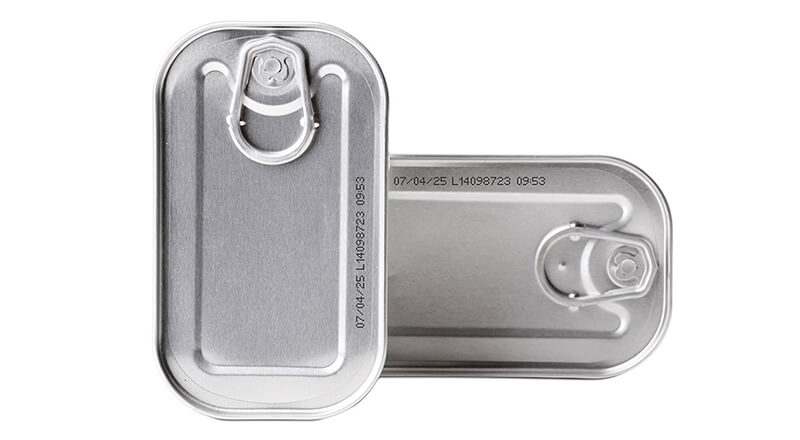
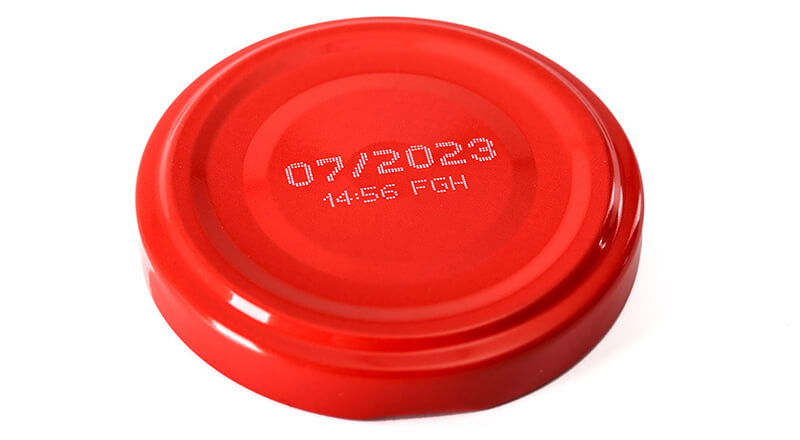
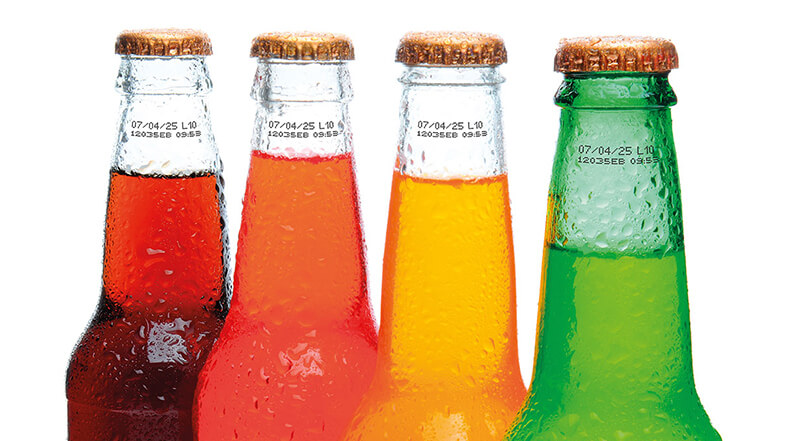
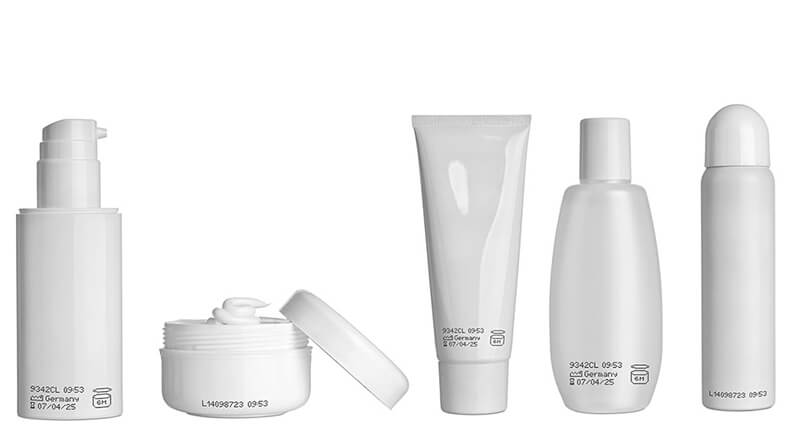
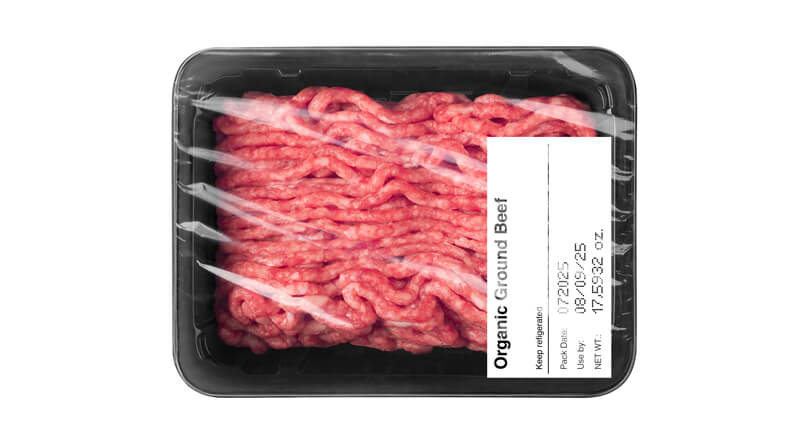
Product marking gives seller and buyer information about the characteristics of the product or the packaging. These could be made by symbols, pictograms, graphics, logos, text or numbers.

Product marking on Heineken bottle caps
Figure: Marked Heineken bottle caps

Product marking guidelines

Which product in which way has to be marked is defined by several guidelines.

There are numerous ways to mark and code products. Products can be marked with information like the product number (the European Article Number or the Universal Product Code), displayed as bar code as well as a symbol for the filling procedure (a printed e) next to the filling volume. This declares that the product has been filled according to the guidelines of the European prepackaging guidelines.

A CE symbol confirms that the product can be traded within the European Community. Furthermore products are marked with danger symbols, information to the brimfull volume (displayed as framed number which describes the filling volume of a packaging), symbols for materials with food quality or the recycling method.

Depending on the product additional information has to be made from the manufacturer for seller and byer.

Cosmetics

In the European Union are guidelines for cosmetics, that cosmetic products have to be marked. This information includes the sell-by date, eat-by date, time of usage after opening, cosmetic ingredients list as well as the lot number, which gives information about the production line during manufacture.

Foods

Foods have to be marked with a lot number to inform about the exact production line during manufacture. Furthermore on foods are marks like the treat-capability-mark, which gives information to the route of transport of animal products or the nutrition facts.

Electronic devices

Electronic devices need numerous labels for example a GS for certified security, RoHS, TÜV, VDE or UL, PSE, ETSI, FCC etc.

Besides such labels/symbols information to the magnitude and nature of input voltage, maximum voltage and sometimes the power frequency are named. Manufacturer can give additional information to the product with several further test symbols.

Example from the automotive industry

product marking with data matrix code on a car headlight
Figure: With DataMatrix-Code and other information marked car headlight of an automotive supplier

Product marking techniques

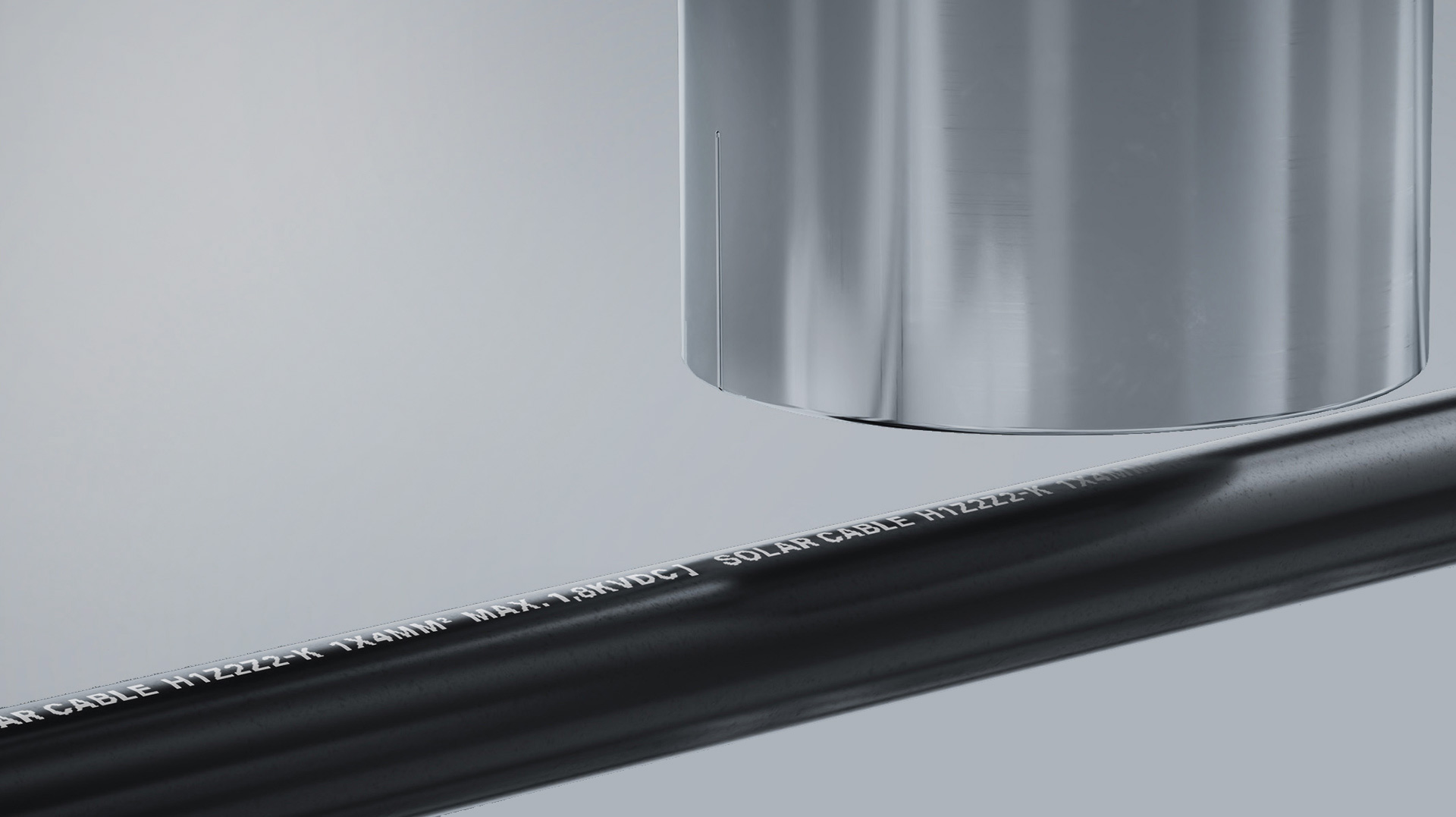
Product marking can be made with different techniques. Typical product marking techniques are: inkjet marking with small character inkjet printers, laser marking, labeling, colored markings and thermotransfer printing.

Marking with inkjet printers

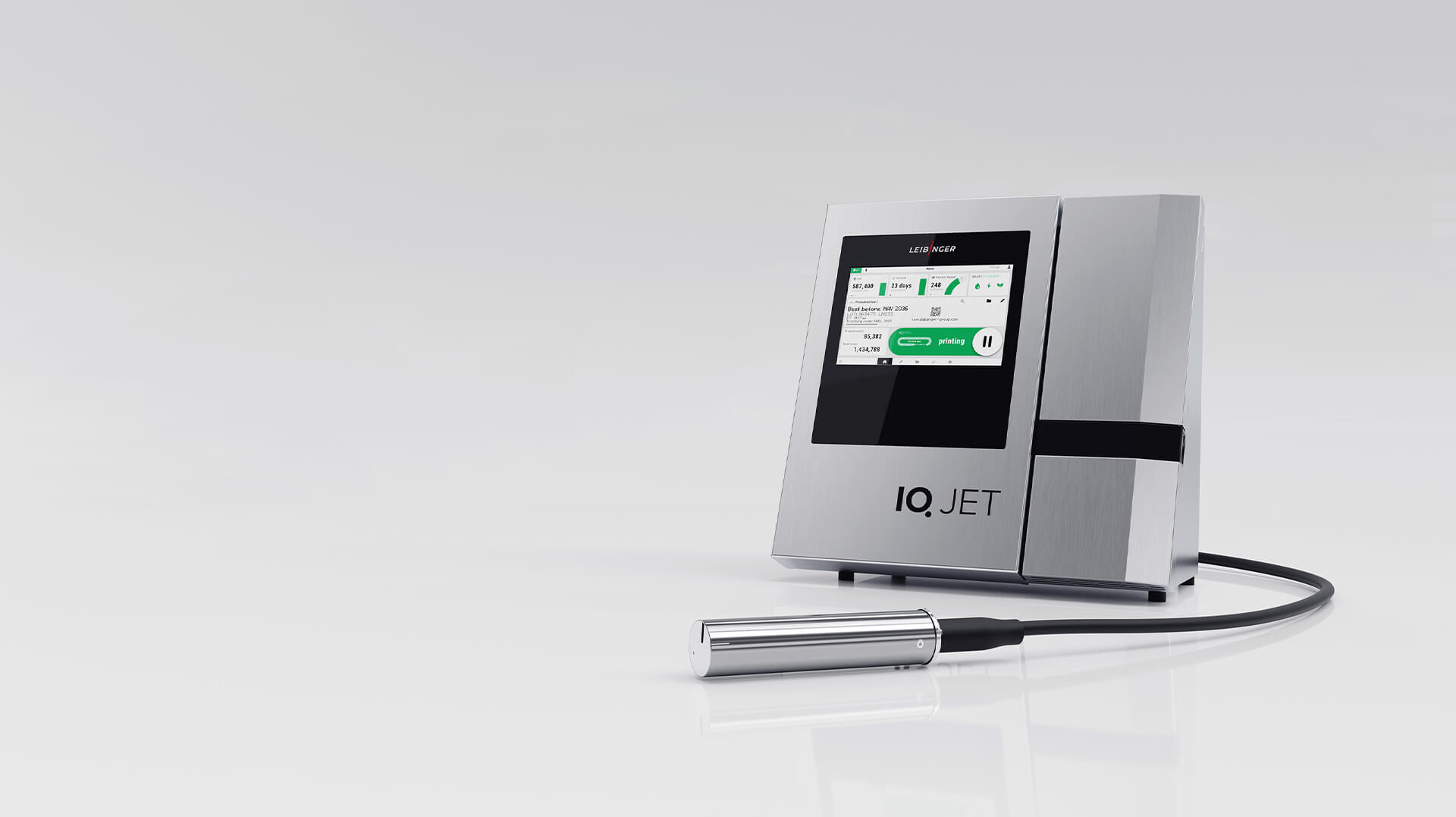
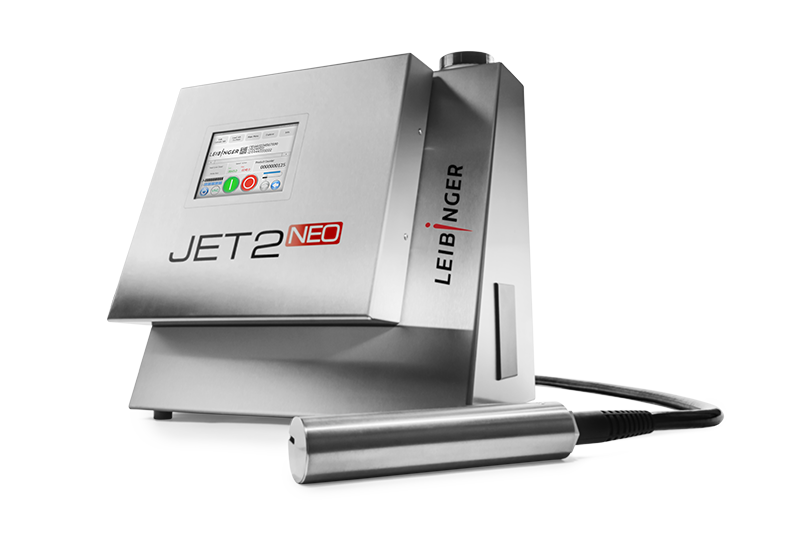
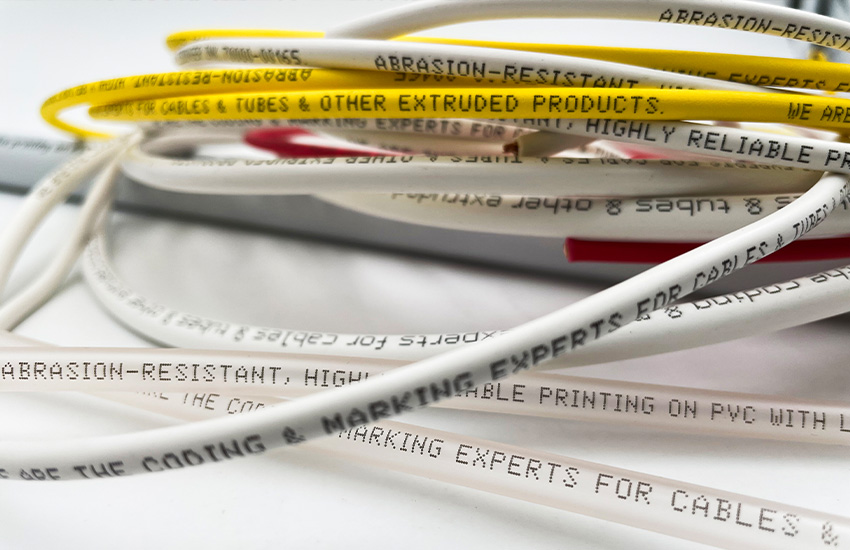
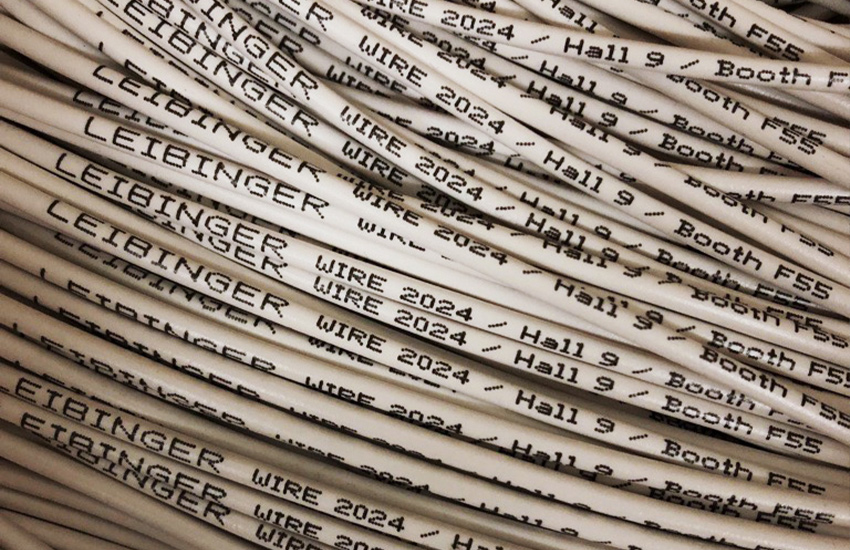
Marking with inkjet printers, also known as CIJ printers, is mostly done with solvent based ink, which is printed contactless on the product. The generated marking is a so called dot font, because the ink is divided into single dots already in the printhead. The desired character is built by charging the ink dots with electric charge and deflect them afterwards more or less depending on the charge.

By the contactless print process all kinds of surfaces can be printed – no matter if round, corrugated or moistly. Also colored markings are possible with the huge amount of inks.

Laser marking

Laser marking is made by a laser beam, which changes the marked material by heat to get the information on the product. The marking is similar to an engraving (non-colored marking).

Colored markings

For colored markings special cost-intensive material is needed. Labeling machines print the product relevant information on the labels first and afterwards stick the label to the product.

Thermotransfer print

Another print method to mark products is the thermotransfer print. In this procedure a special color foil is put between the product and the thermoprinthead which transfers by the contained heating elements the print image. The individual heating elements will be heated by what the color film on the foil melts and is transfered to the product.